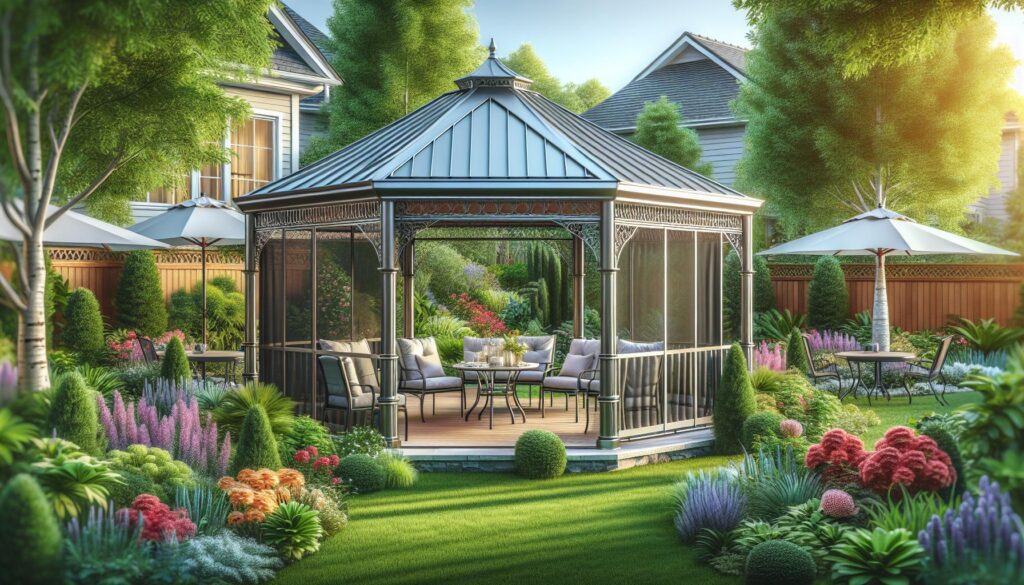
Tired of those pesky mosquitoes ruining outdoor gatherings? The Moustizabo offers an innovative solution that’s taking the outdoor living space by storm. This elegant mosquito net gazebo combines French design with practical functionality to create the perfect bug-free sanctuary for your backyard enjoyment. Think of it as a force field against flying insects while maintaining the aesthetic appeal of your outdoor space. The Moustizabo isn’t just another garden accessory – it’s a game-changer for anyone who loves spending time outdoors without the constant swatting and itching that usually follows. With its easy setup and durable construction it’s no wonder why homeowners across America are making this French-inspired shelter their go-to choice for mosquito-free entertainment.
Moustizabo
A moustizabo is a specialized outdoor shelter that combines the structure of a gazebo with integrated mosquito netting protection. The design incorporates weather-resistant materials with fine mesh screens to create a protected outdoor living space.Key Components of a Moustizabo
-
- Frame Structure: Aluminum poles connect to form a sturdy hexagonal or octagonal base with reinforced corner joints
-
- Mesh Panels: UV-resistant polyester netting with 1.2mm micro-holes blocks 98% of insects
-
- Roof Canopy: Water-repellent polyester fabric provides shade and protection from light rain
-
- Entry Points: Double-layered zippered doors enable easy access while maintaining insect protection
-
- Ground Stakes: Steel anchoring system secures the structure in winds up to 25mph
-
- Connection Hardware: Rust-resistant clips and fasteners join mesh panels to the frame
-
- Layout Preparation: Clear a level 10x10ft space for standard models
-
- Frame Assembly: Connect poles according to color-coded sections
-
- Canopy Attachment: Secure the roof fabric using built-in straps
-
- Mesh Installation: Hang mesh panels starting from corners, moving inward
-
- Ground Anchoring: Insert stakes through base plates at 45-degree angles
-
- Final Tensioning: Adjust guy lines to create proper tension in the structure
Benefits of Using a Moustizabo for Mosquito Protection

Eco-Friendly Mosquito Control
The Moustizabo’s physical barrier system eliminates the need for chemical repellents or pesticides. The UV-resistant polyester mesh creates an impenetrable shield against mosquitoes without harming beneficial insects like butterflies or bees. This sustainable approach protects local ecosystems by avoiding chemical runoff into soil or water systems. The fine mesh allows natural ventilation while blocking harmful UV rays, creating a comfortable microclimate inside the shelter. Garden birds maintain access to surrounding areas for natural pest control while occupants enjoy chemical-free protection.Long-Term Cost Savings
The Moustizabo’s durable construction delivers significant cost benefits compared to recurring pest control expenses. The aluminum frame resists rust for 5+ years of continuous outdoor use. Initial investment eliminates monthly pest control service fees averaging $50-$75 per treatment. The UV-resistant mesh maintains effectiveness for 3-4 seasons without replacement. Homeowners save $600-$900 annually on mosquito control chemicals sprays treatments. The shelter’s weather-resistant materials reduce maintenance costs to basic cleaning requiring only soap water.| Cost Comparison | Traditional Methods | Moustizabo |
|---|---|---|
| Annual Cost | $600-$900 | $0 |
| Lifespan | Monthly treatments | 5+ years |
| Maintenance | Monthly service | Basic cleaning |
Choosing the Right Moustizabo Size and Style
Selecting the appropriate Moustizabo dimensions starts with measuring the intended outdoor space. A properly sized Moustizabo creates an optimal balance between spaciousness and functionality while complementing the outdoor aesthetic.Popular Moustizabo Materials
Premium Moustizabo frames feature marine-grade aluminum with powder coating for superior rust resistance. The mesh panels incorporate UV-stabilized polyester with a 50+ UPF rating for enhanced durability. Top-tier models use 600D polyester fabric for the canopy, offering 98% UV protection while maintaining breathability.| Material Component | Specifications | Durability Rating |
|---|---|---|
| Frame | Marine-grade aluminum | 10+ years |
| Mesh Panels | UV-stabilized polyester | 5-7 years |
| Canopy | 600D polyester fabric | 3-5 years |
| Hardware | 316 stainless steel | 15+ years |
-
- Reinforced corner joints with aluminum gussets
-
- Double stitched seams with UV resistant thread
-
- Rust resistant stainless steel connectors
-
- Weather sealed zippers with corrosion protection
-
- Marine grade shock cords for panel tension
Maintenance Tips for Your Moustizabo
Regular maintenance extends a Moustizabo’s lifespan beyond 5 years while preserving its protective features. These targeted care practices ensure optimal performance throughout different seasons.Seasonal Care Guidelines
The Moustizabo requires specific maintenance routines aligned with each season’s challenges. Spring calls for a thorough inspection of mesh panels along with tightening any loose connections affected by winter conditions. Summer maintenance focuses on weekly debris removal from the canopy surface using a soft brush to prevent UV damage. Fall demands extra attention to leaf collection from corners joints to prevent moisture accumulation. Winter storage includes removing the fabric components storing them in a dry place when temperatures drop below 40°F. Here’s a breakdown of essential seasonal tasks:| Season | Primary Tasks | Frequency |
|---|---|---|
| Spring | Mesh inspection, hardware tightening | Monthly |
| Summer | Debris removal, UV protection check | Weekly |
| Fall | Leaf clearing, seal inspection | Bi-weekly |
| Winter | Component removal, dry storage | Seasonal |
-
- Frame components examining joints connectors for rust signs
-
- Mesh panels checking tension alignment between sections
-
- Canopy material inspecting seams waterproof coating integrity
Common Issues and Troubleshooting
The Moustizabo’s mesh panels tear from sharp objects or excessive tension. Regular inspection of the mesh prevents small tears from expanding into larger holes. Zipper malfunctions occur when debris accumulates in the tracks. Cleaning the zipper tracks with a soft brush removes dirt buildup ensuring smooth operation. Structural instability develops in winds exceeding 25 mph. Adding supplemental anchoring points stabilizes the frame during strong gusts. Here’s a breakdown of common issues and their solutions:Frame Issues:
-
- Loose joints: Tighten all hardware connections using the provided wrench
-
- Bent poles: Replace damaged sections with manufacturer-approved parts
-
- Rust spots: Clean affected areas with vinegar solution then apply protective coating
Fabric Problems:
-
- Sagging canopy: Adjust corner tensioners to restore proper tautness
-
- Water pooling: Clear debris from drainage points enhance water runoff
-
- UV damage: Apply fabric protector spray every 3 months
-
- Uneven ground: Place adjustable foot pads under legs to level structure
-
- Difficult assembly: Follow numbered pole sequence marked on frame pieces
-
- Door misalignment: Reset frame square then realign door panels
| Issue Type | Occurrence Rate | Average Repair Cost |
|---|---|---|
| Mesh tears | 15% annually | $45 per panel |
| Zipper issues | 20% annually | $25 per door |
| Frame damage | 5% annually | $75 per section |
About The Author