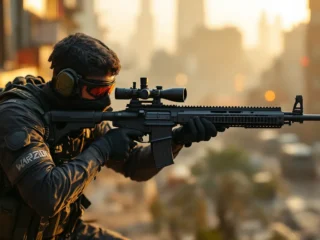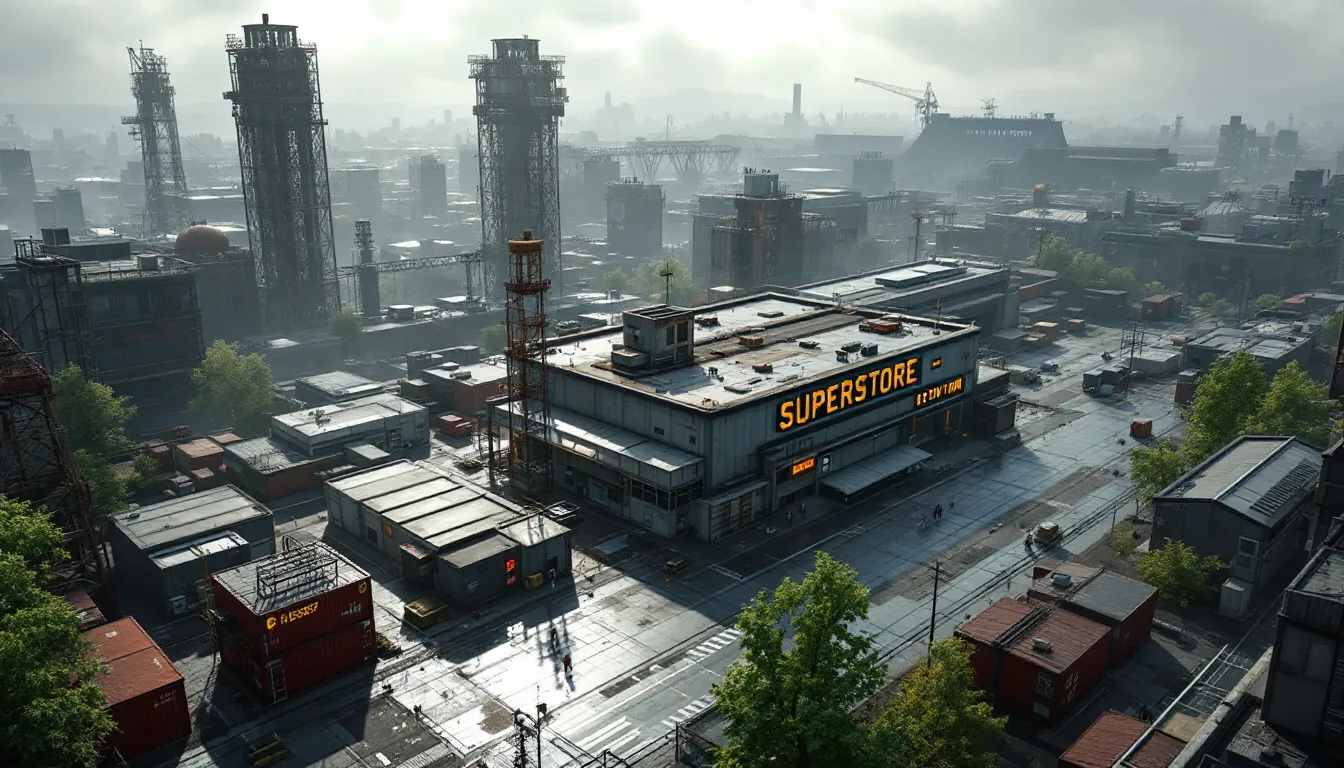
Verdansk wasn’t just another battle royale map. For millions of players, it was the Warzone experience, a sprawling, gritty playground where Downtown skyscrapers met Soviet-era bunkers, and every match felt like a different war story. From March 2020 to December 2021, this fictional Kastovian city became the most recognizable location in Call of Duty history, cementing its place in BR gaming culture.
Whether you’re a veteran who misses dropping into Superstore or a newer player curious about what made the original Warzone map so special, this guide covers everything: the map’s history, its best landing zones, advanced tactics, and why the community still campaigns for its return. Let’s jump into the Verdansk map Warzone players can’t stop talking about.
Key Takeaways
- Verdansk map Warzone was the original battle royale experience from March 2020 to December 2021, supporting 150 players across 9 km² with iconic locations like Downtown, Superstore, and Military Base that defined competitive BR gameplay.
- The Verdansk map’s success came from its cohesive design blending urban warfare, recognizable Modern Warfare multiplayer references, intuitive rotations, and live events that created a lived-in world that newer maps have struggled to replicate.
- Master Verdansk’s mid and late-game strategy through smart Buy Station rotations, Contract route optimization, gas circle positioning, and vehicle management to separate top teams from casual players.
- Verdansk ’84’s Cold War aesthetic refresh in April 2021 maintained similar gameplay but shifted the visual tone, while its eventual replacement by Caldera in December 2021 marked the end of an era and sparked ongoing community campaigns for the map’s return.
- Subsequent Warzone maps like Caldera, Al Mazrah, and Urzikstan have all been measured against Verdansk’s pacing and design, with none achieving the same community affection despite lessons learned from the original’s strengths and weaknesses.
What Is Verdansk and Why Does It Matter to Warzone Players?
Verdansk was the original battle royale map for Call of Duty: Warzone, launching alongside the game on March 10, 2020. Set in the fictional Kastovian region, Verdansk measured roughly 9 km² and supported up to 150 players per match across Quads, Trios, Duos, and Solos.
The map blended urban warfare with tactical outdoor engagements. You had dense cityscapes like Downtown with multi-story buildings perfect for snipers, industrial zones like Storage Town that rewarded close-quarters loadouts, and open areas like the Dam where rotations and positioning mattered more than gunfights.
What made Verdansk special wasn’t just its size or variety, it was how the map felt. The design pulled from Modern Warfare’s aesthetic and multiplayer maps, creating a cohesive, lived-in world. Veterans recognized spots like Broadcast (from MW2’s “Wasteland”) or Stadium, which evolved with live events.
Verdansk also introduced the larger Warzone community to mechanics that became genre standards: Gulag 1v1s for second chances, Buy Stations for self-revives and loadouts, Contracts for in-match objectives, and a gas circle that forced constant decision-making. The map wasn’t just a backdrop, it was the foundation of Warzone’s identity during its meteoric rise to over 100 million players.
The History of Verdansk: From Launch to Removal and Beyond
Verdansk’s lifespan stretched across multiple seasons, updates, and one dramatic mid-cycle refresh. Understanding its timeline helps explain why its removal hit so hard.
From launch in March 2020 through Season 2 of Black Ops Cold War integration (early 2021), Verdansk remained relatively stable. Seasonal updates added content, Stadium opened up in Season 5 (2020), the subway system debuted in Season 6, and the underground metro routes changed rotations forever. But the core map stayed intact.
Then came the April 2021 nuke event. Activision destroyed the original Verdansk in a live in-game event, transitioning players to Verdansk ’84, a Cold War-era version of the same location with visual overhauls, new POIs, and balance tweaks. This wasn’t just a reskin: it was a hard reset meant to align Warzone with Cold War’s aesthetic and reinvigorate the player base.
Verdansk ’84 ran from April 2021 until December 8, 2021, when Activision replaced it entirely with Caldera, a Pacific-themed map tied to Call of Duty: Vanguard. The shift to Caldera marked the end of Verdansk’s active service in Warzone, and community reaction was… mixed at best.
Verdansk ’84 vs. Original Verdansk: Key Differences
While both versions shared the same geographical layout, Verdansk ’84 introduced notable changes:
- Visual overhaul: 1980s-era aesthetics replaced modern lighting and textures. The map felt brighter, with less urban decay and more Soviet-era propaganda.
- POI updates: Stadium became an open construction site. Downtown’s skyline changed. The Dam area received cosmetic tweaks.
- Loot pool adjustments: Cold War weapons became more prominent. Ground loot rotated to emphasize CW integration.
- Lighting and visibility: ’84 had better outdoor visibility in some areas, but indoor spaces stayed equally dark without adjustments.
Gameplay-wise, the two versions played similarly. High-traffic zones remained the same, rotations followed familiar patterns, and the meta didn’t radically shift. Most players appreciated the fresh coat of paint, but some missed the grittier, modern tone of the original.
Why Activision Removed Verdansk from Warzone
Activision never released an official deep-dive, but the reasons are clear from context:
- Content integration: Vanguard’s launch needed a thematic tie-in. Caldera matched the WWII Pacific setting and gave Vanguard a marketing boost.
- Player fatigue: By late 2021, Verdansk had been the only large-scale map for nearly two years. Engagement metrics likely showed declining interest.
- Technical limitations: Warzone’s engine struggled with Verdansk’s growing file size, especially after multiple seasonal updates and asset bloat.
- Narrative closure: The nuke event and ’84 refresh were attempts to keep Verdansk fresh, but the playerbase craved something genuinely new.
The removal wasn’t smooth. Caldera’s launch was plagued by bugs, balance issues, and performance problems that many outlets like Dexerto covered extensively. Veterans felt alienated, and casual players found Caldera’s dense foliage and verticality harder to learn compared to Verdansk’s more intuitive design.
Breaking Down the Verdansk Map: Major Locations and Hot Zones
Verdansk’s 9 km² housed dozens of named locations, but certain POIs defined the meta. Here’s a breakdown of the zones that mattered most.
Downtown and Broadcast Tower: Urban Combat Zones
Downtown was Verdansk’s vertical playground. Multi-story office buildings, tight alleyways, and rooftop sightlines made it a magnet for aggressive squads and late-game circles. The ATC Tower offered 360° views of the entire area, making it a high-risk, high-reward position.
Loot density was excellent, but third-party risk was constant. You couldn’t take a fight without another team hearing it and rotating in. Late-game, Downtown circles forced pure chaos, teams stacked in buildings, snipers locked angles, and the gas compressed everyone into knife-fight range.
Broadcast Tower (north of Downtown) was a different beast. The elevated tower itself was a sniper’s dream, but getting up and staying alive required map control. The surrounding hills and open fields made rotations dangerous, and teams holding Broadcast often got pinched by squads rotating from Hospital or Boneyard.
Superstore, Storage Town, and Airport: High-Loot Areas
Superstore was the most contested POI in Warzone’s early seasons. The massive warehouse offered insane loot density, multiple entry points, and close-quarters chaos. Rooftop access, interior catwalks, and loading docks created a three-dimensional battlefield where SMGs and shotguns dominated.
Early game, Superstore could have 5-8 teams landing simultaneously. Surviving the initial bloodbath usually meant you walked out geared for endgame, but getting there required winning multiple 1v4 scenarios or coordinating perfect team wipes.
Storage Town (southwest of Superstore) was similar but smaller. Shipping containers created tight corridors and predictable sightlines. It was a favorite warm-up spot for aggressive players and a reliable mid-game rotation hub due to its central location.
Airport stretched along Verdansk’s western edge. The tarmac, hangars, and terminal building offered solid loot, but the open runways made rotations risky. Airport shined in mid-game when teams needed a Buy Station or wanted to avoid hot zones while still finding decent gear.
Players looking for modern Warzone map strategies can check out guides on recent map releases to see how design philosophy has evolved since Verdansk.
Dam, Military Base, and Hospital: Strategic Strongholds
Dam occupied Verdansk’s northeast corner. The elevated structure controlled sightlines over Bloc and the surrounding hills. Interior rooms offered cover, but the real value was positioning, teams holding Dam late-game could suppress rotations from multiple angles. The loadout-focused approach many players adopted often started with securing Dam early and holding it through mid-game.
Military Base (north-central) was a POI with high variance. Some matches saw it empty: others turned it into a warzone (pun intended). The underground bunkers, hangars, and barracks spread loot across a wide area, so squads had to split up or spend extra time looting efficiently. Bunker 11 (north of Base) became iconic for its Easter egg, which unlocked a blueprint and drew dedicated hunters.
Hospital (east-central) was a three-story stronghold surrounded by open fields. It offered excellent loot, but teams landing here had to win the building first, rooftop access, stairwells, and the parking garage created intense early fights. Late-game, Hospital circles were sniper-heavy, with teams dug into the building or using surrounding cover to avoid getting picked.
Best Landing Spots and Drop Strategies for Verdansk
Choosing where to drop in Verdansk determined your match trajectory. High-risk zones offered fast loot and early kills: conservative spots let you survive to mid-game with less pressure.
Early Game Survival: Where to Land for Maximum Loot
If you wanted to come out of early game fully kitted, these spots delivered:
- Superstore: Maximum loot, maximum chaos. Best for squads confident in their gun skill and communication. Expect 30+ players in the area at drop.
- Downtown (ATC Tower or NS Building): High-tier loot on upper floors. Clear the building, then rotate to nearby Buy Station for loadout. High third-party risk.
- Military Base Hangars: Spread-out loot meant less team overlap. Hit two hangars and you’d have enough for Contracts and mid-game rotations.
- Hospital: Solid loot concentration with predictable fight flow. Win the rooftop, control the building.
Pro tip: Always mark a Buy Station before dropping. The fastest path to winning Verdansk was grabbing $10k from Contracts or ground loot, hitting your loadout, then playing your actual class setup instead of random ground guns.
Safe Drop Zones for Conservative Players
Not every squad wanted 10 kills before first circle. These spots offered breathing room:
- Lumber (northwest): Far from flight paths most matches. Decent loot, nearby Contracts, and easy rotations south.
- Quarry (east): Isolated, with enough loot for a squad. Boring early game, but you survived to circle 3 almost guaranteed.
- Farmland (southeast): Scattered buildings with moderate loot. Safe drop, then rotate toward Promenade or Stadium as gas moved.
- Train Station (south-central): Often overlooked even though solid loot. Quick access to Contracts and mid-map position.
Conservative play in Verdansk wasn’t about avoiding fights, it was about controlling when you fought. Drop safe, grab loadout, then take mid-game fights with your optimal setup instead of scrambling with a ground loot Kilo.
Teams experimenting with newer maps like Caldera faced similar early-game challenges when adapting to unfamiliar POI layouts and loot distribution.
Advanced Verdansk Tactics: Rotations, Positioning, and Circle Strategy
Surviving Verdansk’s mid and late game required more than gunskill. Map knowledge, rotation timing, and Buy Station management separated top teams from lobby fodder.
How to Navigate the Gas Circle Effectively
Verdansk’s gas moved in predictable intervals, but circle RNG determined optimal rotations. Here’s what worked:
- Early rotations (Circles 1-2): Don’t sprint straight to center. Use edge rotations to avoid teams already set up. Follow natural cover (hills, treelines, building edges) instead of running across open fields.
- Mid-game holds (Circles 3-4): Identify power positions, elevated buildings, hard cover, or spots with multiple exit options. Don’t over-commit. If you’re getting pressured from two angles, rotate early instead of fighting until gas forces a bad move.
- Late-game micro-rotations (Circles 5+): Every movement matters. Use gas mask timing to stay in gas longer than opponents expect, forcing them to move first. Pre-throw stuns or snapshots into likely positions before peeking.
Vehicle rotations were meta through most of Verdansk’s lifespan. Grabbing a Bertha or SUV let you rotate aggressively without getting picked by snipers, but vehicles also announced your position. The trick was ditching the vehicle 100-150m before your target position and finishing rotation on foot.
Using Buy Stations and Contract Routes to Your Advantage
Buy Stations were Verdansk’s economy hubs, and smart teams built entire strategies around them:
- Loadout priority: First Buy Station hit should be for loadout if you had $10k. Loadout weapons outclassed ground loot so dramatically that everything else was secondary.
- UAV chains: After loadout, stacking UAVs (3 UAVs = Advanced UAV, revealing exact enemy positions) gave you perfect intel for mid-game fights.
- Gas Mask + Plates: Always topped plates and grabbed a gas mask before Circle 4. Gas plays won late-game fights more often than raw aim.
Contract routes optimized cash flow. Scavenger Contracts gave loot and money. Recon Contracts revealed next circle (massive for positioning). Bounty Contracts marked an enemy for hunting, high-risk but great for aggressive squads.
The optimal route: Land safe → hit Scavenger Contract → Recon for circle intel → Buy Station for loadout → UAV → Bounty (if confident) → Recon chain to pre-position for Circle 4+.
Many of these rotation principles carried forward to later maps, though terrain differences required adaptation. Players familiar with Verdansk’s flow often struggled with Caldera’s verticality and sightline disruptions early on.
Will Verdansk Return to Warzone? Community Speculation and Rumors
Since Verdansk’s removal in December 2021, the community has consistently asked one question: will it come back?
The short answer: officially, nothing’s confirmed. The longer answer involves leaks, dev comments, and a whole lot of hopium.
What Activision Has Said About Verdansk’s Future
Activision and Raven Software have kept Verdansk talk vague. In interviews and community updates, devs acknowledged player nostalgia but emphasized focusing on current content. Translation: don’t expect Verdansk back anytime soon through official channels.
But, data miners and leakers have periodically found Verdansk assets in Warzone’s backend files. Some claimed limited-time modes or special events could bring Verdansk back temporarily, similar to how Rebirth Island rotated in and out.
Community speculation spiked around major Warzone updates, particularly the Warzone 2.0 launch in November 2022 and seasonal updates afterward. Players theorized Activision might remaster Verdansk for Warzone 2’s engine or offer it as a legacy playlist. So far, none of that materialized.
The most credible rumor came from leaks suggesting a “Classic Warzone” mode featuring Verdansk could arrive as a limited-time throwback event. Outlets like Game8 periodically cover these rumors alongside tier lists and meta analysis, but nothing has been officially confirmed.
Bottom line: Verdansk returning in some form isn’t impossible, but players shouldn’t expect it as a permanent fixture unless Activision sees clear financial or engagement incentives. The development cost of maintaining multiple large-scale maps in parallel is substantial, and Activision has historically moved forward rather than revisiting legacy content.
How Verdansk Compares to Caldera, Al Mazrah, and Urzikstan
Verdansk’s removal forced players to adapt to new maps with different design philosophies. Here’s how they stack up:
Caldera (December 2021 – November 2022): Verdansk’s immediate replacement. Set on a volcanic Pacific island, Caldera emphasized verticality, dense vegetation, and wide-open sightlines. The community reception was rough, visibility issues, unbalanced POIs, and a steep learning curve frustrated veterans. Caldera lacked Verdansk’s intuitive flow and recognizable landmarks. Peak, Airfield, and Arsenal tried to replicate Verdansk’s hot zones, but the map never captured the same magic.
Al Mazrah (Warzone 2.0, November 2022 – present): Al Mazrah brought a Middle Eastern setting with design lessons learned from both Verdansk and Caldera. It’s larger than Verdansk (~18 km²), with better POI variety and improved water-based gameplay. The map borrowed Verdansk’s urban/rural balance but added DMZ integration and a more dynamic Circle Collapse system. Reception has been more positive, though purists still prefer Verdansk’s tighter pacing.
Urzikstan (Warzone 2.0 Season 1 Reloaded, December 2023): Another massive map (~8.6 km²) set in Kastovia (same region as Verdansk). Urzikstan leaned heavier into Modern Warfare III’s aesthetic, with Zaravan City as a Downtown analog. The map feels closer to Verdansk in tone but lacks its iconic POIs. Early feedback suggests Urzikstan is solid but hasn’t dethroned Verdansk in community affection.
Verdansk’s edge over its successors comes down to familiarity and pacing. Players spent nearly two years learning every building, rotation, and sightline. New maps demand relearning, and for many, that investment hasn’t felt worth it. Verdansk also hit a sweet spot in map size, large enough for 150 players, compact enough that fights felt frequent without excessive downtime.
Discussions around future Warzone maps and design directions often reference Verdansk as the gold standard, even as developers experiment with new settings and mechanics.
Nostalgia and Community Legacy: Why Players Still Love Verdansk
Verdansk isn’t just remembered, it’s mourned. But why does a digital map command this level of attachment?
First, timing. Verdansk launched in March 2020, right as COVID-19 lockdowns began globally. For millions, Warzone became the social space, replacing canceled plans, closed bars, and distant friends. Verdansk wasn’t just a map: it was the backdrop for countless nights spent with squads.
Second, design. Verdansk felt real in a way later maps haven’t matched. The blend of urban and rural, the recognizable POIs pulled from Modern Warfare multiplayer, the dirty, gritty aesthetic, it all created a cohesive world. You could describe rotations in shorthand (“Push from Storage to Super”) and everyone knew exactly what you meant.
Third, meta memories. Every Verdansk era had its defining metas: DMR one-taps in Season 1 CW integration, the Kilo/MP5 golden age, Kar98k snipers dominating mid-range, the MAC-10 madness, the C58/Swiss combo. These metas were frustrating in real-time but became part of the map’s lore.
Fourth, events. The Stadium opening, subway system launch, bunker Easter eggs, zombie outbreak, and the nuke finale, Verdansk evolved with live storytelling that kept players engaged. Later maps tried similar events, but none hit the same.
Community content around Verdansk remains strong. YouTube is packed with “Verdansk nostalgia” montages, Reddit threads regularly call for its return, and content creators still reference it when critiquing newer maps. Even those who complained about Verdansk during its runtime now admit they miss it compared to Caldera’s launch chaos.
For better or worse, Warzone was Verdansk for most players. Everything since has been measured against it, and nothing’s quite measured up. Whether you think that’s fair or just rose-tinted nostalgia, the fact remains: Verdansk defined an era of Call of Duty that won’t be easily replicated.
The continued discussion around Verdansk can be seen across gaming communities, from Resurgence map leaks to debates about the future of Warzone’s core gameplay loop. Players who cut their teeth on the Warzone map Verdansk created remain the most vocal about what made it special.
Conclusion
Verdansk wasn’t perfect. It had balance issues, camping metas, and bugs that frustrated even die-hard fans. But it was iconic, a map that defined battle royale for millions of players and set the standard for what large-scale BR design could be.
Whether you’re a veteran who lived through every seasonal update or a newer player curious about what you missed, understanding Verdansk is understanding Warzone’s roots. The map may be gone from active playlists, but its influence echoes through every POI design, rotation strategy, and community conversation about what Warzone should be.
Will Verdansk return? Maybe. Should it? That’s the debate that’ll keep running until Activision either brings it back or creates something that finally moves the community forward. Until then, Verdansk remains the map Warzone players can’t forget, and the one they’ll keep comparing everything else to.
About The Author