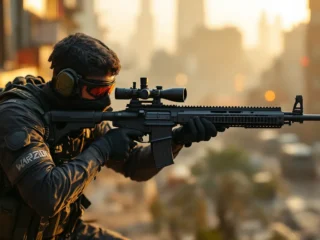
Resurgence mode has become the beating heart of Warzone’s multiplayer scene. It’s where you’ll find the sweatiest lobbies, the most chaotic firefights, and the quickest path to improving your gunfight mechanics. Unlike the sprawling tactical chess match of traditional battle royale, Resurgence condenses everything into tight, explosive encounters where one bad push can snowball into a loss, but a clutch play can bring your entire squad back from elimination.
Whether you’re grinding for high kill games or just want to actually play with your friends instead of spectating for 20 minutes, Resurgence delivers. But winning consistently requires more than just good aim. You need to understand respawn timings, rotation priorities, loadout optimization, and how to leverage the mode’s unique mechanics. This guide breaks down everything you need to dominate Resurgence matches in 2026, from map-specific strategies to advanced squad coordination.
Key Takeaways
- Resurgence mode delivers fast-paced squad combat with automatic respawns when teammates are alive, condensing the battle royale experience into 15-20 minute matches without the 30+ minute commitment of traditional BR.
- Master the respawn timer mechanics—play aggressively while it’s active to build map control and loadouts, then shift to conservative positioning once the timer disables in the final zones.
- Effective Resurgence loadouts prioritize close-to-mid range engagements (10-40 meters) with SMG and AR combinations like the HRM-9 and SVA 545, which dominate the current Season 2 Reloaded meta.
- Squad coordination through clear callouts, role assignment (entry fragger, support, anchor), and constant communication is as critical as gunplay for winning consistently in chaotic Resurgence encounters.
- Avoid common fatal mistakes: don’t overcommit to fights, ignore loadout timing, engage during rotations, or take solo hero plays that leave your team outnumbered—tempo and team cohesion win matches, not individual skill alone.
What Is Resurgence Mode in Warzone?
Resurgence is a squad-based battle royale variant that allows players to respawn under specific conditions. Instead of getting sent to the Gulag or spectating for the rest of the match, eliminated teammates automatically redeploy as long as at least one squad member is alive and the Resurgence timer is active.
The mode typically features smaller maps, faster circles, and squads of three or four players. Matches last 15-20 minutes on average, making it the go-to choice for players who want high action density without the 30+ minute commitment of standard BR.
How Resurgence Differs from Traditional Battle Royale
The core distinction is lethality versus sustainability. In traditional Warzone, a team wipe usually means game over (barring Gulag wins or buybacks). Resurgence flips that script entirely.
First, there’s no Gulag. You don’t need to win a 1v1 to get back in, you just wait for your squad to survive long enough. Second, cash economy matters less for buybacks since respawns are free during active timers. You’ll still want cash for loadouts, UAVs, and plates, but you’re not scrambling to hit $4,000 every time someone dies.
Third, the pacing is relentless. Smaller maps and constant respawns mean you’re always in or near combat. There’s no looting simulator phase. You hit the ground, grab a weapon, and start fighting.
The Respawn Mechanic Explained
The Resurgence timer appears in the top-right corner of your HUD. When it’s active (usually displayed in white or green), dead teammates automatically respawn after a countdown, typically 20-45 seconds depending on the phase of the match.
The timer deactivates during certain circle phases, usually in the final 2-3 zones. Once it’s disabled, respawns stop. If your entire squad is eliminated after that point, you’re out for good.
Dead players redeploy from the sky, similar to initial drop. They land with a pistol and a single armor plate, making them vulnerable for the first 10-15 seconds. This creates a tactical window: protect your respawning teammates or hunt enemy respawns when they’re weakest.
Current Resurgence Maps in 2026
As of early 2026, Warzone rotates between several Resurgence maps, though availability shifts with seasonal updates. The current lineup includes Rebirth Island (the classic), Fortune’s Keep (remastered in Season 1 2026), and occasional limited-time variants.
Each map plays differently. Rebirth is vertical and claustrophobic, rewarding aggressive CQB and roof control. Fortune’s Keep offers more mid-range lanes and rotational flexibility, with distinct POIs that funnel fights into predictable choke points.
Map Layouts and Hot Drop Zones
On Rebirth Island, the hottest drops are Prison Block, Security Area, and Headquarters. Prison Block offers high loot density but attracts 4-6 teams regularly. Security Area has cleaner rotations and a height advantage. Headquarters is central but exposed, good for experienced squads who can handle pressure from multiple angles.
Fortune’s Keep sees most early action at Keep, Gatehouse, and Graveyard. Keep is the tallest structure and offers dominant sightlines but is difficult to hold late-game. Graveyard has underground access and good loot, making it a safer hot drop. Gatehouse controls the main bridge rotation and is critical for mid-game positioning.
Colder drops like Decon Zone (Rebirth) or Lighthouse (Fortune’s Keep) give you time to loot and get a loadout, but you risk falling behind on kills and map control. In Resurgence, momentum matters. Starting slow can leave you scrambling when zombie-themed limited modes rotate in with modified spawns.
Map-Specific Strategies and Rotations
Rebirth Island plays vertically. Control rooftops, especially on Prison and Security. Use Nova 6 Factory and Shore as rotation fallbacks when circle pushes you out of central POIs. Avoid getting pinned in Construction, it’s a death trap with limited exits.
Fortune’s Keep rewards players who understand the Town-Keep-Graveyard triangle. Holding any two of these POIs gives you map control. Rotate through Overlook and Smuggler’s Cove to avoid getting third-partied on main roads. In final circles, Bay and Terraces offer natural cover but are predictable, expect teams pre-aiming those spots.
Many competitive squads have adapted strategies from pro player rotations to maintain high ground and avoid getting caught in lowland choke points during late-game collapses.
Best Loadouts for Resurgence Warzone
Loadout priorities in Resurgence differ from standard BR. You need weapons that excel in 10-40 meter engagements, fast handling for snap targets, and enough versatility to handle both indoor clutter and open rooftops.
As of Season 2 Reloaded (March 2026), the meta leans heavily into SMGs with extended range and fast-firing ARs that can compete up close.
Top Weapon Combinations for Close-Quarter Combat
The best Resurgence loadouts pair an aggressive primary with a versatile secondary. Current top-tier combos:
1. HRM-9 (SMG) + SVA 545 (AR)
The HRM-9 dominates within 15 meters after its recent buff in the February 18 update. Build it with the Zehmn35 Compensated Flash Hider, Bruen Bastion Angled Grip, and 50 Round Drum. Pair it with the SVA 545 configured for mid-range (VLK 4.0 Optic, Casus Brake, STV Precision Barrel). This combo covers 0-50 meters effectively.
2. Superi 46 (SMG) + RAM-9 (SMG/AR Hybrid)
Double SMG setups work when your squad coordinates roles. The Superi 46 has the fastest TTK under 12 meters. The RAM-9 with 5.56 NATO conversion extends your effective range to 35-40 meters without sacrificing mobility. Both weapons have sub-300ms ADS times, critical for peeking corners and winning trades.
3. BP50 (AR) + Striker 9 (SMG)
If you prefer an AR primary, the BP50 is the most forgiving option post-nerf. Build for recoil control (Corio Eagleseye 2.5x, Bruen Heavy Support Grip, 60 Round Mag). The Striker 9 handles cleanup and interior pushes. This loadout excels on Fortune’s Keep where you need more range flex.
Snipers and LMGs are viable but niche. If you’re running a sniper, one teammate should, never stack two snipers in a Resurgence squad.
Perks and Equipment Choices That Win Games
Perk package matters more than most players realize. The ideal Resurgence setup as of March 2026:
Vest: Gunner Vest (faster reload while on the move, helps during aggressive pushes).
Gloves: Quick-Grip Gloves (weapon swap speed is critical when you need to finish a downed enemy or switch mid-fight).
Boots: Lightweight Boots (increased movement speed and reduced fall damage for rooftop rotations).
Gear: EOD Padding (reduces explosive damage, massive in a meta full of semtex spam and cluster strikes).
For equipment, always run Semtex and Stun Grenades. Semtex is the most consistent lethal for sticking doorways and downed enemies. Stuns disable Trophy Systems briefly and guarantee free kills if you land them. Some aggressive players prefer Flash Grenades because the visual disruption lasts longer, though opinions split on this among esports analysts covering competitive Warzone.
Skip Heartbeat Sensors in Resurgence, Ghost is everywhere, and the time spent scanning is time you’re not shooting. Run Stims or a Munitions Box instead to keep pressure high.
Essential Strategies to Win Resurgence Matches
Winning Resurgence isn’t about ratting in a corner until final circle. It’s about tempo, map control, and capitalizing on enemy mistakes. The best teams don’t just kill, they suffocate opponents, deny respawns, and hold dominant positions that force bad rotations.
Aggressive vs. Tactical Playstyles
Resurgence rewards aggression, but mindless W-keying gets punished hard. The difference between good aggression and feeding kills is timing.
Aggressive playstyle works when you can chain kills and prevent enemy respawns. Push teams when their Resurgence timer is about to expire or when you’ve just wiped one or two players. Force them into panic buybacks or bad positioning. Aggressive squads should maintain 15+ team kills per match and constantly pressure contested POIs.
Tactical playstyle means picking your fights and playing for position rather than pure kills. You’re still fighting, just smarter. Let two teams fight, then third-party the winner when they’re weak. Hold power positions (rooftops, circle edges) and force other teams to come to you. Tactical squads average 8-12 team kills but win more consistently because they avoid unnecessary risk.
In practice, the best squads blend both. Start aggressive to secure map control and loadouts, then shift tactical as Resurgence timers disable. Many strategies echo principles from traditional game design analysis about risk-reward balance in competitive multiplayer.
Managing the Resurgence Timer
The timer is everything. Know exactly when it deactivates, usually around the fourth or fifth circle, though this varies slightly by match pacing.
Before timer expires: Take high-risk plays. Even if you trade kills, your team respawns. Push aggressively, contest buybacks, and deny enemy loadouts. This is when you build your kill count and secure better positioning for endgame.
When timer is about to expire (30-60 seconds remaining): Play conservatively. Do NOT take 50/50 gunfights. If you go down with 10 seconds left on the timer and your team can’t stabilize, you’re watching from spectator. Reposition to strong cover, plate up, and prepare for no-respawn endgame.
After timer expires: You’re in classic BR mode. Every life counts. Avoid unnecessary peeks, don’t chase solo kills, and stick with your squad. One pick can swing the entire match.
Watch the top-right HUD constantly. More players lose Resurgence matches by ignoring timer deactivation than any other mistake, and this has been a recurring issue since earlier map iterations introduced timing variations.
Endgame Positioning and Circle Control
Once Resurgence disables, positioning beats gunskill. Identify the next circle early and rotate before you’re forced. Getting caught in a bad rotation with two teams pre-aiming you is a death sentence.
High ground is king, but not all high ground is equal. Avoid positions with one exit (rooftop of Prison Block’s main tower, for example). You want elevation with multiple drop-down or zipline options.
Play edge of circle, not center. Center positioning sounds safe but you’re exposed to 360 degrees of angles. Edge play lets you hold one direction while the gas covers your back. Rotate along the edge as circle moves.
Final circles (Zone 6-7): Expect trophy spam and cluster strikes. Carry at least one Trophy System per player if possible. If you control high ground, expect teams below to popsmoke and push, pre-aim stairways and ziplines. If you’re low ground, use smoke, flashbangs, and coordinated pushes. Never push high ground solo.
One underrated endgame tactic: force the last team into a bad gas rotation by holding their most direct path to circle. They either fight you weak or die to gas. Either way, you win.
Advanced Tips for Squad Communication and Coordination
Even the best loadout and positioning mean nothing if your squad isn’t communicating. Resurgence is chaotic, without clear comms, you’ll get picked apart by organized teams who focus fire and coordinate pushes.
Callouts and Map Awareness
Develop a shared callout language with your squad. Use POI names, cardinal directions, and specific landmarks. “He’s over there” is useless. “One weak, Prison roof northwest corner” wins fights.
For Rebirth Island, assign shorthand: Prison, Head (Headquarters), Sec (Security), Shore, Bio (Bioweapon Labs), Decon, Nova (Nova 6 Factory), Const (Construction), and Control (Control Center). For Fortune’s Keep: Keep, Gate (Gatehouse), Grave (Graveyard), Town, Bay, Light (Lighthouse), Over (Overlook), and Smug (Smuggler’s Cove).
Call out enemy plates: “Cracked” means shields broken, “Flesh” or “Weak” means low health, “Downed” confirms a knock. Always call the direction and distance: “Two players east, 30 meters, second-floor window.”
Ping constantly but don’t spam. One accurate danger ping is better than five random marks. Use advanced ping features: hold ping button to specify “Enemy” vs “Going Here” vs “Danger.”
Revive Priority and Team Roles
Assign roles before you drop. Entry fragger leads pushes and takes first contact. Support follows with utility (stuns, smokes, trophy). Anchor holds rear angles and covers revives. Flex adapts based on situation.
Revive priority depends on context. If your anchor (best player or IGL) goes down, prioritize them even if it’s risky. If your entry fragger goes down during a push and Resurgence timer is active, don’t stop momentum, let them respawn naturally while you finish the fight.
Never revive in the open. Even with Resurgence active, giving the enemy free kills feeds them cash, loadouts, and confidence. Smoke or reposition to cover first. If you’re under sniper pressure and can’t safely revive, accept the 20-second respawn delay.
When a teammate respawns, immediately ping a nearby loadout or at minimum a weapon and plates. Respawns are vulnerable, they need gear ASAP. One player should escort the respawn for the first 30 seconds, especially if you’re holding a contested POI.
If your squad struggles with basic shooter mechanics, troubleshooting common technical issues can improve consistency and help you focus on coordination rather than performance drops.
Common Mistakes to Avoid in Resurgence
Even experienced players fall into bad habits. Here’s what’s killing your win rate.
1. Overcommitting to fights
You crack two enemies, push, and suddenly you’re in a 3v4 because a respawn landed behind you. Know when to disengage. If you can’t secure kills within 10-15 seconds, expect third parties or respawns to flip the fight.
2. Ignoring loadout timing
Your loadout drops at the 3-minute mark (or after first circle closes, whichever comes first). If you don’t have $10,000 for a team loadout, you should have at least $5,000 per player for individual pulls. Fighting without your loadout puts you at a massive disadvantage, prioritize contracts and looting early.
3. Fighting during rotations
If you’re rotating late and another team engages you, you have two threats: them and the circle. Popsmoke, reposition, and get to safety. Taking a gunfight while gas is pushing you is how you lose games you should win.
4. Not tracking Resurgence timer
Players push 1v3 with 5 seconds left on the timer, die, and can’t respawn. Then they blame RNG or “sweaty lobbies.” Watch the timer. Adjust your aggression accordingly.
5. Solo hero plays
Resurgence is a team mode. If you’re constantly 50+ meters ahead of your squad, you’re not “carrying”, you’re feeding. Even if you drop 20 kills, it doesn’t matter if your team loses because you left them in a 2v3 every fight.
6. Bad buyback timing
If Resurgence timer is active and has 20+ seconds remaining, don’t waste $4,000 on a buyback. Let the free respawn happen and spend that cash on UAVs, airstrikes, or loadouts. Only buyback when timer is disabled or about to disable.
7. Looting death boxes mid-fight
You just wiped a team, nice. But if you stop to loot every box while another squad pushes, you’re getting wiped. Grab ammo and plates, then rotate or hold position. Full looting happens when the area is secure.
8. Not using equipment
You’re holding two stuns and a semtex at the endgame. Why? Use your utility. Stuns break trophy systems and guarantee kills. Semtex denies revives and flushes corners. If you die with full equipment, you wasted potential kills. Players looking to improve loadout timings and squad coordination should focus on utility usage as much as gunplay.
Meta Changes and What’s New in 2026
The Warzone meta never sits still. Weapon balancing, map rotations, and seasonal mechanics all shift how Resurgence plays. Here’s what defines the early 2026 landscape.
Recent Updates and Balance Changes
Season 2 Reloaded (February 18, 2026) brought significant weapon tuning:
- HRM-9 received a damage range buff, pushing its effective range from 12m to 15m. It’s now the best pure SMG for Resurgence.
- BP50 was nerfed with increased horizontal recoil, making it less dominant at range. Still viable but requires better recoil control.
- Superi 46 got a slight fire rate increase, lowering its TTK by approximately 30ms within 10 meters. High-skill players are abusing this in tight interiors.
- SVA 545 remains untouched, solidifying its place as the most consistent AR for mid-range.
Perk adjustments:
- Tempered (reduces plates needed for full armor from 3 to 2) was disabled in Resurgence as of January 2026 due to balancing concerns. It made aggressive plays too forgiving.
- Ghost now activates only when moving, similar to older Warzone mechanics. Camping with Ghost no longer hides you from UAVs.
Also, rumors of map expansions have circulated, with leaks suggesting a potential Resurgence variant of Vondel or a new tropical-themed map for Season 3.
How the Meta Has Evolved
Early Warzone Resurgence (2020-2021) favored long-range ARs and snipers because of open sightlines on Rebirth Island. As players optimized rotations and POI control, the meta shifted toward SMG-heavy loadouts and aggressive CQB.
By 2024-2025, double SMG and SMG/AR hybrids became standard. The ability to win every close gunfight outweighed the occasional need for 60+ meter range. Snipers fell out of favor except in premade squads running dedicated roles.
2026 has seen a slight return to versatility. Map design changes on Fortune’s Keep remaster introduced more mid-range lanes, rewarding players who can flex between 15m and 45m engagements. Pure SMG loadouts still dominate Rebirth, but Fortune’s Keep punishes you if you can’t challenge AR users in Town or Overlook.
Movement mechanics have also evolved. Slide-canceling was removed in Warzone 2 but tactical sprint and dolphin diving (introduced in Season 6 2024) create new outplay potential. Good players chain dolphin dives through doorways and around corners to break aim assist and avoid headshots.
Finally, competitive integrity improvements like stricter SBMM (skill-based matchmaking) and better anti-cheat have raised the skill floor. Casual lobbies are sweatier than they used to be. If you’re not improving your mechanics and staying current on meta shifts, you’ll feel it.
Conclusion
Resurgence mode is Warzone at its most refined, high action, high skill ceiling, and constant opportunity for clutch plays. Winning consistently comes down to mastering the fundamentals: loadout optimization, smart aggression, Resurgence timer management, and squad coordination.
You don’t need to be a pro to compete, but you do need to respect the mode’s pace and mechanics. Build loadouts for close-to-mid range dominance, learn map rotations, communicate with your squad, and always track that Resurgence timer. Every decision matters when fights happen every 60 seconds.
Meta shifts will continue, weapons get buffed and nerfed, maps rotate in and out, and new mechanics get introduced. The players who adapt fastest are the ones consistently dropping 15+ kill wins. Keep grinding, stay current on updates, and focus on improving one aspect of your game each session. That’s how you go from mid-tier to top-tier in Resurgence.
About The Author