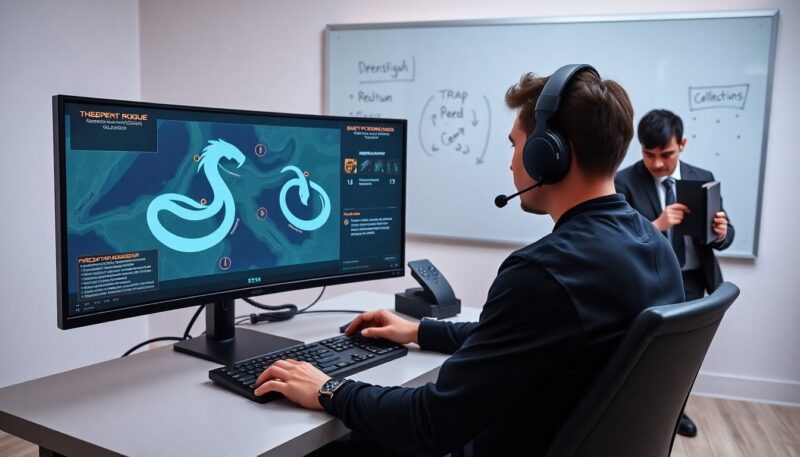
The way we interact with our environment is undergoing a silent but profound revolution. For decades, we relied on physical buttons and complex screens to manage our digital lives, but today, natural communication has taken center stage. The integration of a high-quality asistente de voz into our daily routines has simplified everything from grocery shopping to managing corporate schedules. This technology allows for a frictionless experience where the user’s intent is understood and executed instantly through spoken commands. As we move further into a hands-free era, the ability of machines to interpret human speech correctly is becoming the new standard for accessibility and convenience across the globe.
Breaking Down Language Barriers
One of the most impressive feats of modern voice technology is its ability to understand diverse accents and local dialects. In the past, speech recognition was limited to standard versions of major languages, leaving millions of people frustrated. Now, advanced algorithms are capable of filtering out background noise and focusing on the nuances of a speaker’s tone and rhythm. This democratization of technology means that everyone, regardless of their linguistic background or technical expertise, can interact with smart devices. This inclusivity is particularly beneficial for the elderly or those with visual impairments, providing them with a level of independence that was previously unattainable.
Impact on Productivity and Workflow
In the professional world, the transition to voice-driven tasks is saving thousands of hours annually. Imagine being able to dictate complex reports, schedule international meetings, or query database results while driving or performing other physical tasks. Voice technology has transformed the workplace into a more dynamic and fluid environment. Companies that adopt these tools see a significant reduction in the time spent on repetitive administrative tasks, allowing their employees to focus on high-level creative problem-solving. This efficiency gain is not just a luxury; it is a competitive necessity in an increasingly fast-paced global economy.
Security and Biometric Identification
As we entrust more personal information to our devices, the question of security becomes paramount. Voice biometrics is emerging as one of the most secure ways to verify identity. Just as every person has a unique fingerprint, they also possess a unique “voiceprint” based on the physical characteristics of their vocal tract. Using speech as an authentication method adds a layer of protection that is difficult to forge. Financial institutions and healthcare providers are already implementing these systems to ensure that sensitive data is only accessible to authorized individuals, providing peace of mind in a world where cyber threats are constantly evolving.
The power of the spoken word has returned to the heart of human progress, backed by the most sophisticated technology of our time. Voice interfaces are no longer a futuristic concept found only in science fiction; they are a practical reality that is making our lives simpler, safer, and more productive. As developers continue to refine these systems, the gap between human thought and machine action will keep narrowing. For businesses and individuals alike, embracing these tools means staying ahead of the curve and unlocking a new world of possibilities where the only limit to what we can achieve is what we can say.
About The Author