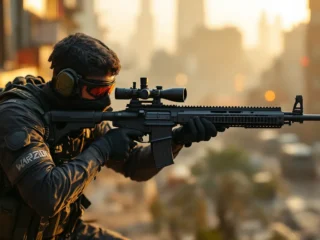
Call of Duty: Warzone lives and dies by balance patches. One day you’re dominating with your favorite AR, the next it’s collecting dust because a nerf just gutted its damage range. That’s the cycle every Warzone player knows too well, buffs elevate forgotten weapons into meta monsters, while nerfs put overpowered guns back in their place.
Understanding warzone buffs and nerfs isn’t just about keeping up with patch notes. It’s about adapting faster than your opponents, spotting the next meta weapon before everyone catches on, and knowing when to abandon a loadout that no longer delivers. As we hit March 2026, the meta landscape has shifted dramatically, and players who can’t keep pace will find themselves at the bottom of the leaderboard.
This guide breaks down everything you need to know about Warzone’s balance changes: what buffs and nerfs actually do to weapon stats, which weapons got buffed or nerfed in recent updates, how these changes reshape the meta, and how you can adapt your loadouts to stay competitive. Whether you’re a casual player trying to understand why your go-to gun feels different or a sweat looking to exploit the latest balance shift, this is your roadmap to navigating Warzone’s ever-changing weapon ecosystem.
Key Takeaways
- Warzone buffs and nerfs directly reshape weapon viability and meta dominance, with buffs resurrecting underused weapons and nerfs preventing single-gun monopolies that stagnate competitive play.
- The March 2026 update significantly buffed weapons like the ISO 45 SMG and MCW AR while nerfing overpowered picks like the SVA 545 and RAM-9, creating an immediate competitive advantage for players who adapt fastest.
- Successful loadout adaptation requires testing nerfed weapons in-game rather than abandoning them immediately, understanding weapon archetypes to find suitable replacements, and building a pool of 8-10 viable weapons across different classes.
- Community sources like TrueGameData, JGOD, and WZRanked provide real-time weapon testing and pick-rate tracking that reveal practical impacts of balance changes faster than official patch notes alone.
- Players who monitor underused weapons’ pick-rate trends, test buffed weapons within hours of patches, and anticipate future nerfs gain a 5-7 day competitive knowledge gap over the broader player base.
- Consistent recoil control and loadout flexibility matter more than committing to a single ‘main’ weapon, since balance changes happen every 3-6 weeks and force adaptation regardless of player preference.
What Are Buffs and Nerfs in Warzone?
In Warzone, buffs and nerfs are developer-implemented changes to weapon stats, equipment, perks, or mechanics designed to balance gameplay. A buff improves a weapon’s performance by increasing damage, reducing recoil, boosting mobility, or enhancing other attributes. A nerf does the opposite, it weakens an item or ability by decreasing its effectiveness.
These adjustments happen through regular patches and seasonal updates. Raven Software, the studio behind Warzone’s balance, constantly monitors weapon usage data, time-to-kill (TTK) statistics, and community feedback to identify what needs tweaking. The goal is maintaining competitive diversity so that 40+ weapons remain viable instead of everyone running identical meta loadouts.
How Buffs Impact Weapon Performance
Buffs can resurrect dead weapons overnight. When a gun gets buffed, specific stats change, here’s what typically gets adjusted:
- Damage values: Base damage increases mean fewer shots to kill at various ranges
- Recoil patterns: Reduced vertical or horizontal kick makes weapons easier to control
- ADS speed: Faster aim-down-sight times improve reaction speed in close quarters
- Movement speed: Increased mobility lets players strafe more effectively while firing
- Magazine capacity: Extra rounds per mag reduce reload frequency in multi-target engagements
- Damage range: Extended effective range makes weapons competitive at longer distances
A perfect example was the Holger 26 buff in early 2024, where Raven increased its damage per shot from 28 to 31 and reduced horizontal recoil by 15%. That weapon went from a 1.2% pick rate to 18% within three days because it suddenly outperformed established meta ARs in the 30-50m range.
Buffs are particularly powerful for underused weapons with good base attributes but one fatal flaw. Fix that flaw, maybe an agonizingly slow ADS time or excessive idle sway, and you’ve got a new meta contender. Players who identify these buffed weapons early gain a competitive edge before the broader community catches on.
How Nerfs Balance the Meta
Nerfs exist to prevent weapon monopolies. When a single gun dominates with a 40%+ pick rate in high-skill lobbies, the meta stagnates. Everyone runs the same loadout, gunfights become predictable, and weapon variety disappears.
Raven implements nerfs by targeting the specific attributes that make a weapon overpowered:
- Damage reduction: Lower damage per shot increases TTK, giving opponents more time to react
- Recoil increases: Adding more kick or making patterns less predictable raises the skill floor
- Range nerfs: Shortening effective damage ranges forces weapons into narrower roles
- Headshot multiplier adjustments: Reducing bonus damage from headshots punishes aim inconsistency
- Fire rate decreases: Slower RPM extends TTK even if damage per shot stays constant
- Movement penalties: Increased ADS time or slower strafe speed makes weapons clunkier
The RAM-9 nerf in January 2026 showed how surgical nerfs work. Raven reduced its headshot multiplier from 1.4x to 1.25x and added 30ms to its ADS time. The gun remained viable for skilled players hitting consistent headshots but stopped being an automatic win button in every engagement.
Some nerfs hit harder than others. Developers walk a fine line between bringing a weapon in line with others and making it completely unusable. The community still remembers the DMR 14 nerf from Warzone’s early days, that gun went from utterly broken to worthless in one patch, which teaches players an important lesson: when something gets heavily nerfed, don’t immediately give up on it. Sometimes the nerf is lighter than patch notes suggest, or the weapon still excels in specific situations.
Latest Warzone Buffs: March 2026 Update
The March 12, 2026 update (patch 1.63) brought significant buffs across weapon classes, perks, and equipment. Raven Software explicitly stated they wanted to increase loadout diversity after data showed only seven weapons accounting for 62% of all eliminations in Ranked Play.
Weapon Buffs You Need to Know
Several weapons received substantial performance improvements that immediately altered their viability:
FJX Imperium (Sniper Rifle)
- Increased ADS speed by 80ms (now 450ms down from 530ms)
- Boosted upper torso damage from 156 to 175
- Improved strafe speed while ADS by 12%
This sniper was already strong but suffered from mobility issues. The buffs make it competitive with the faster-handling KAR98K while maintaining superior damage output. Players experimenting with aggressive sniper builds should revisit this weapon.
ISO 45 (SMG)
- Increased maximum damage range from 9m to 12.5m
- Reduced horizontal recoil by 18%
- Added 5 rounds to default magazine (now 25)
The ISO 45 now challenges meta SMGs in close-quarters combat. Its TTK within 12m rivals the Lachmann Sub, and the improved recoil makes it viable out to 20m with proper attachments. This is a sleeper pick that hasn’t hit mainstream adoption yet.
MCW (Assault Rifle)
- Decreased vertical recoil by 14%
- Increased headshot multiplier from 1.3x to 1.45x
- Improved bullet velocity by 9%
The MCW buff targets mid-range combat. With proper recoil control and consistent headshots, its TTK now competes with the SVA 545 at 30-60m. The bullet velocity increase also helps with leading targets at range.
Bryson 890 (Shotgun)
- Extended one-shot-kill range from 6m to 8.5m
- Tightened pellet spread by 20%
- Reduced ADS time by 40ms
Shotgun buffs always raise eyebrows, but this one’s measured. The Bryson 890 becomes more reliable in building interiors and Resurgence modes where close-quarters combat dominates. Combining these buffs with the latest performance loadout strategies creates devastating close-range setups.
Perk and Equipment Buffs
Balance changes extend beyond weapons. Several perks and pieces of equipment received meaningful upgrades:
Tempered Perk
- Now requires 2 plates to reach full armor (down from 3)
- Plate application speed increased by 15%
This buff significantly reduces downtime between fights. Players running Tempered can re-armor faster and with fewer plates, making it an excellent choice for aggressive playstyles in Storm modes.
Smoke Grenades
- Increased smoke duration from 8 seconds to 11 seconds
- Expanded smoke radius by 25%
- Reduced deployment time by 0.3 seconds
These changes make smokes genuinely tactical again. The extended duration and larger coverage area provide better rotation options in final circles, and competitive teams are already incorporating them into tournament strategies.
Munitions Box
- Reduced cooldown from 90 seconds to 75 seconds
- Now grants one extra lethal equipment per player
- Increased interaction radius by 30%
Munitions boxes are now far more valuable for squads holding power positions. The faster cooldown means consistent access to grenades and lethals during extended engagements.
Recent Warzone Nerfs: What Got Adjusted
Balance cuts both ways. While some weapons got love, others received necessary nerfs to prevent meta stagnation. The March 2026 update targeted several overperforming weapons and mechanics.
Overpowered Weapons That Were Nerfed
Three weapons dominated pre-patch lobbies with pick rates exceeding 35% in Diamond and above ranks. All three received targeted adjustments:
SVA 545 (Assault Rifle)
- Reduced maximum damage from 34 to 31
- Decreased headshot multiplier from 1.5x to 1.35x
- Increased vertical recoil by 12%
The SVA 545 was the undisputed meta AR since January. This nerf increases its TTK by approximately 70ms at most ranges, bringing it in line with other long-range options. It’s still viable, particularly for players with strong recoil control, but no longer mandatory.
RAM-9 (SMG)
- Reduced fire rate from 1,000 RPM to 930 RPM
- Decreased maximum damage range from 11m to 8.5m
- Added 20ms to ADS time
This is the second RAM-9 nerf in three months, and it finally brings the weapon to reasonable levels. The fire rate reduction alone extends TTK enough that other SMGs can compete. Players heavily invested in RAM-9 loadouts should explore alternatives like the buffed ISO 45.
DG-58 LSW (LMG)
- Reduced damage per shot from 36 to 33
- Increased recoil across all patterns by 16%
- Decreased movement speed by 4%
The DG-58 functioned as a laser beam with AR mobility and LMG damage output, a broken combination. These nerfs push it back into proper LMG territory: powerful but requiring setup and positioning. Run-and-gun DG-58 builds are essentially dead.
Worth noting: the MG82 nerf discussion from earlier seasons showed how community feedback influences these balance changes, a pattern that continues with the current adjustments.
Movement and Tactical Nerfs
Some nerfs targeted movement mechanics and tactical equipment rather than weapon stats:
Tactical Sprint
- Reduced duration from 4 seconds to 3.2 seconds
- Increased refresh time from 7 seconds to 8.5 seconds
This nerf aims to slow down aggressive rushing without eliminating mobility. Players can’t chain tactical sprints as freely, which gives defenders more time to set up and punishes careless rotations.
Stun Grenades
- Decreased effect duration from 3 seconds to 2.3 seconds
- Reduced turn speed penalty by 15%
- Lowered effective radius from 10m to 8m
Stuns were borderline overpowered in skilled hands. These changes make them less of an automatic fight-winner while keeping them useful for coordinated pushes. The shorter duration means stunned players can mount a defense quicker.
Dead Silence (Field Upgrade)
- Reduced duration from 12 seconds to 10 seconds
- Increased cooldown from 60 seconds to 75 seconds
Dead Silence enables some of Warzone’s most impressive solo squad wipes, but the old duration was too forgiving. These adjustments require more tactical timing, players need to commit to engagements faster rather than spending half the duration repositioning.
How Buffs and Nerfs Shape the Current Meta
Meta shifts don’t happen in a vacuum. When developers buff one weapon and nerf another, the entire ecosystem reacts. Understanding these dynamics helps players predict what loadouts will dominate over the coming weeks.
Meta Weapons After Recent Changes
Post-patch data from competitive lobbies (Diamond rank and above) reveals clear winners emerging from the March balance update:
Long-Range (50m+)
- MCW – The recoil buff made this the go-to full-auto option for range. Pair with a 2.5x optic and recoil-reducing attachments.
- SVA 545 – Still viable even though nerfs. Players with excellent aim will barely notice the damage reduction.
- TAQ Evolvere – Flew under the radar during buff season but remains consistent. No changes means it’s relatively stronger now.
Mid-Range (20-50m)
- Holger 556 – Versatile and didn’t receive nerfs. Handles beautifully with the right build.
- MCW – Crossover pick that excels in mid-range with aggressive attachments.
- RAM-7 – Untouched by patches and quietly effective for players who value mobility.
Close-Range (0-20m)
- ISO 45 – The buff pushed this into S-tier. Fast TTK, manageable recoil, good mobility.
- Striker – Consistent performer that dodged nerfs. High fire rate shreds in building fights.
- Lachmann Sub – Old reliable. Still meta-viable if you’re comfortable with its handling.
The competitive scene shows a clear pattern: versatility matters more than raw TTK. Weapons that perform acceptably across multiple ranges see higher adoption because loadout flexibility matters in dynamic BR environments. Resources like Dexerto frequently cover which pros are running specific builds, offering insight into emerging trends before they hit public lobbies.
Underrated Options to Try Now
Smart players look beyond meta picks to find weapons the community hasn’t caught onto yet:
FJX Imperium (Sniper) – The buffs are substantial, but most players haven’t adjusted yet. If you’re comfortable quickscoping, this weapon punishes at range while the masses are still running KAR98Ks.
Bryson 890 (Shotgun) – Shotguns always have niche appeal, but the range and spread improvements make this legitimately scary in Resurgence modes. Try it on Ashika Island or Fortune’s Keep.
ISO 45 (SMG) – Mentioned above but worth repeating. Pick rate is still under 5% while TTK competes with 20%+ meta weapons. That gap won’t last.
TAQ-M (Marksman Rifle) – Unchanged, but with aggressive snipers getting nerfed and ARs losing range, the TAQ-M fills a valuable mid-to-long role. Two-shot headshot potential is nasty in the right hands.
Exploring these options before they become mainstream gives players a brief competitive window. Everyone’s still running last month’s meta while you’re exploiting next week’s trends.
Adapting Your Loadout to Balance Changes
Balance patches invalidate hours of attachment grinding and loadout optimization. Here’s how to adapt quickly without wasting time on dead-end builds.
Building Around Buffed Weapons
When a weapon gets buffed, its optimal loadout often changes because the buff modifies what the weapon needs from attachments:
For the ISO 45 (post-buff SMG):
- Muzzle: Zehmn35 Compensated Flash Hider (recoil control)
- Barrel: ISO Series Ultra Light (mobility and ADS speed)
- Underbarrel: DR-6 Handstop (sprint-to-fire speed)
- Magazine: 40 Round Mag (extended capacity)
- Rear Grip: ISO Factory R (ADS and sprint-to-fire improvements)
This build capitalizes on the improved range and recoil while maintaining the weapon’s natural mobility advantage. Pre-buff, you’d have needed to stack range attachments, now those slots go toward maximizing speed.
For the MCW (post-buff AR):
- Optic: Corio Eagleseye 2.5x (clean sight picture for range)
- Muzzle: VT-7 Spiritfire Suppressor (sound suppression + velocity)
- Barrel: 16.5″ MCW Cyclone Long Barrel (range and velocity)
- Underbarrel: Bruen Heavy Support Grip (recoil stabilization)
- Ammunition: 5.56 NATO High Velocity (bullet velocity boost)
The headshot multiplier buff means this build rewards accuracy. Stack velocity and stability to maximize that 1.45x multiplier at distance.
For the FJX Imperium (post-buff Sniper):
- Barrel: FJX Blast (bullet velocity and range)
- Laser: FSS OLE-V Laser (ADS speed)
- Bolt: FJX Blast (rechamber speed)
- Stock: FJX Stalker Stock (ADS speed and movement)
- Rear Grip: Cronen Cheetah Grip (sprint-to-fire speed)
The ADS buff lets you drop one mobility attachment in favor of lethality. This build makes the Imperium handle almost like a lighter sniper while retaining its one-shot potential.
Replacing Nerfed Loadout Picks
If your main weapon got nerfed, here’s the decision tree:
Step 1: Test the nerfed weapon
Don’t immediately abandon it. Drop into Plunder or a few Resurgence matches to feel the changes. Sometimes nerfs sound worse on paper than in practice. The SVA 545 nerf is a good example, it’s still competitive for skilled players.
Step 2: Identify what role it filled
Did your weapon excel at long range? Close quarters? Was it a jack-of-all-trades? Understanding its role helps you find a suitable replacement rather than randomly testing alternatives.
Step 3: Find weapons with similar handling
If you loved the SVA 545’s recoil pattern, the MCW offers similar control. If you prefer the RAM-9’s aggressive SMG playstyle, the ISO 45 slots in naturally. Don’t force yourself onto weapons that feel completely foreign.
Step 4: Adjust your playstyle, not just attachments
Sometimes a nerf means you can’t play the same way anymore. The DG-58 LSW nerf kills its run-and-gun viability, so former users need to embrace positional play or switch weapon classes entirely. Exploring optimal loadout construction helps understand these strategic shifts.
Common replacements post-March 2026 patch:
- SVA 545 → MCW or TAQ Evolvere
- RAM-9 → ISO 45 or Striker
- DG-58 LSW → Holger 556 or Pulemyot 762
Loadout flexibility matters more than committing to a single “main” weapon. Players who can adapt across 8-10 weapons will always outperform those married to one gun through multiple nerfs.
Why Developers Implement Buffs and Nerfs
Understanding developer motivations behind balance changes helps predict future adjustments and explains why certain weapons get targeted.
Data-Driven Balance Decisions
Raven Software has access to comprehensive telemetry: pick rates, elimination rates, average damage per match, TTK across skill brackets, and win rates correlated with specific loadouts. When a weapon shows 40%+ pick rate in high-skill lobbies while maintaining above-average win rates, it’s statistically overpowered regardless of community perception.
The March SVA 545 nerf came directly from data showing it accounted for 38% of all AR eliminations in Diamond+ lobbies with a 52.3% win rate among players using it as their primary. Those numbers indicate the weapon provides an unfair advantage.
Encouraging Weapon Diversity
Battle royale health depends on variety. When everyone runs identical loadouts, gameplay becomes stale and predictable. Developers intentionally rotate weapons through viability cycles to keep the meta fresh. This means even balanced weapons sometimes get buffed simply to increase their presence and shake up the ecosystem.
The ISO 45 buff exemplifies this philosophy. The weapon wasn’t bad pre-patch, just overlooked. A modest buff generates interest, more players experiment, and suddenly you’ve got five SMGs competing for meta status instead of two.
Responding to Community Feedback
Developers monitor Reddit, Twitter, YouTube, and competitive player feedback. When content creators and tournament players identify broken mechanics or underpowered weapons, those observations influence patch priorities. Community-reported issues get validated against telemetry data, then adjustments get planned.
The Stun Grenade nerf happened largely because high-level players demonstrated how oppressive coordinated stun usage was in competitive formats. Casual players barely noticed the problem, but tournament VODs showed teams winning fights purely through stun spam.
Economic Incentives
New weapon releases often enter slightly overtuned to drive engagement. Players grind to unlock the new gun, experiment with builds, create content around it, then Raven brings it in line a few weeks later once engagement metrics stabilize. This isn’t malicious, it’s standard live-service game design that keeps player counts healthy.
Preventing Power Creep
Without regular nerfs, each balance patch would need to buff everything to compete with the top weapons, causing damage values and TTK to escalate until the game feels like Hardcore mode. Nerfs prevent this by pulling outliers back instead of constantly raising the ceiling.
According to competitive coverage from Dot Esports, professional players generally support nerf-focused balancing over buff-focused approaches because it maintains higher TTK and rewards mechanical skill rather than whoever shoots first.
Tracking Warzone Updates: Where to Find Patch Notes
Staying informed about warzone nerfs and buffs requires knowing where developers publish official information and which community sources provide reliable analysis.
Official Sources
Raven Software Blog – Primary source for detailed patch notes. Every major update includes comprehensive weapon stat changes, numerical adjustments, and developer reasoning. Check https://www.ravensoftware.com/community for official announcements.
Call of Duty Twitter (@CallofDuty and @RavenSoftware) – Breaking news and quick updates appear here first, usually 2-4 hours before full patch notes publish. Follow both accounts for complete coverage.
In-Game Patch Notes – Warzone’s main menu displays recent updates under the News section. This is convenient but often contains abbreviated information compared to blog posts.
Community Analysis Sources
Raw patch notes only tell part of the story. Community analysts test actual in-game changes, revealing stealth adjustments and practical impacts:
TrueGameData – Provides frame-by-frame weapon testing with exact TTK measurements, recoil plots, and damage range charts. Essential for understanding how stat changes translate to performance.
JGOD – YouTube content creator who breaks down every significant patch with loadout recommendations and meta predictions. Videos typically drop within 24 hours of major updates.
WhosImmortal – Another excellent YouTube source focusing on weapon tier lists and meta analysis post-patch.
WZRanked – Website tracking weapon pick rates, K/D ratios, and popularity across skill brackets. See what’s actually performing, not just what patch notes promise.
Competitive coverage sites like The Loadout also provide detailed breakdowns of balance changes with expert analysis, making them valuable resources for players who want context beyond raw numbers.
Discord Communities
Many competitive Warzone Discords maintain dedicated patch-notes channels where members discuss and test changes. Joining one provides real-time feedback from skilled players.
Reddit (r/CODWarzone)
The subreddit typically has patch notes pinned within minutes of release. Community discussion reveals practical impacts, bugs introduced by patches, and which changes matter most.
Setting Up Alerts
For players who want immediate notifications:
- Enable Twitter notifications for @RavenSoftware
- Subscribe to JGOD and TrueGameData on YouTube with notifications on
- Join the official Call of Duty Discord server
- Follow WZRanked on Twitter for quick stat breakdowns
Checking patch notes the morning after updates drop lets you adapt loadouts before most of your lobby catches on. That 6-12 hour knowledge gap matters in competitive play.
Community Reactions to Balance Changes
Warzone’s community rarely agrees on balance changes. Every patch generates heated discussion, with reactions ranging from celebration to outrage.
The SVA 545 Nerf Controversy
The March 2026 SVA nerf split the community cleanly down the middle. Competitive players and content creators largely supported it, pointing to the weapon’s oppressive dominance in high-skill lobbies. JGOD called it “six weeks overdue” in his patch breakdown video.
Casual players reacted differently. Many invested weeks grinding attachments and mastering recoil patterns, only to see their work invalidated overnight. Reddit threads filled with complaints about wasted time and requests for attachment respec tokens.
This divide illustrates a persistent tension: competitive balance demands frequent adjustments, but that creates instability for casual players who don’t adapt as quickly.
The ISO 45 Buff Reception
This buff generated overwhelmingly positive reactions because it elevated an underused weapon without breaking balance. Comments praised Raven for “doing buffs right” and creating meta variety without power creep.
Within 48 hours, YouTube was flooded with “NEW META SMG?.” videos, and the ISO 45’s pick rate jumped from 1.8% to 14.6%. This demonstrates how community content creation amplifies balance changes, a modest buff becomes a meta shift once influencers validate it.
The Tactical Sprint Nerf Backlash
Movement nerfs always generate the most controversy. Warzone’s movement mechanics attract a specific player demographic that values speed and aggression. The Tactical Sprint nerf was widely panned by this group, with accusations that Raven was “catering to campers” and “lowering the skill ceiling.”
Competitive players were more measured, noting that excessive movement speed created scenarios where defenders had almost no counterplay. Tournament commentary suggested the nerf improved competitive balance even if it frustrated pub stompers.
Content Creator Influence
Top Warzone streamers and YouTubers shape community perception of balance changes. When Mutex, HusKerrs, or Aydan declare a weapon “dead” after a nerf, their audiences largely adopt that viewpoint regardless of actual testing. This creates feedback loops where community perception sometimes diverges from statistical reality.
The DG-58 LSW provides a clear example. Initial community reaction declared it “gutted” and “unusable.” But, players who actually tested it discovered it remained extremely effective for holding power positions, it just couldn’t be played aggressively anymore. The weapon didn’t die: its optimal use case shifted, but initial creator reactions framed it as a death sentence.
Platform-Specific Reactions
Balance discussions vary across platforms. PC players generally push for higher skill ceilings and accept aggressive nerfs to accessibility. Console players, especially those on controller, prioritize aim assist balance and movement mechanics. This creates fragmented reactions where a change praised by one platform angers another.
Historical Patterns
Looking at historical reactions, several patterns emerge:
- Initial outrage almost always exceeds actual impact
- Community adapts within 7-10 days, and complaints fade
- Buffed weapons get praised until they become meta, then players want them nerfed
- Nerfs to popular weapons generate more backlash than buffs generate praise
Understanding these patterns helps filter signal from noise when patch notes drop.
Tips for Staying Ahead of the Meta
Competitive Warzone players don’t just react to meta changes, they anticipate them and adapt faster than opponents. Here’s how to stay ahead.
Monitor Pick Rates, Not Just Patch Notes
Other players often discover meta shifts before official patches acknowledge them. Websites like WZRanked track weapon popularity in real-time. When you see an underused weapon’s pick rate suddenly climbing in high-skill lobbies, investigate why. Often it means skilled players discovered an effective build or the weapon counters the current meta.
Test Weapons Immediately After Patches
Drop into Plunder within an hour of patches going live. Spend 30-60 minutes testing buffed weapons and experimenting with attachments. This hands-on experience beats reading patch notes because you’ll feel changes that numbers don’t convey, like how a recoil reduction affects tracking or how ADS improvements change engagement timing.
Build a Weapon Pool, Not a Single Main
Players who master 8-10 weapons across different classes adapt faster than those committed to one gun. When your main gets nerfed, you’ve got immediate alternatives instead of spending days learning something new. Focus on one weapon per category: long-range AR, versatile AR, aggressive SMG, tactical SMG, sniper, marksman rifle.
Follow Competitive Players
Tournament players identify optimal loadouts faster than casual communities because their livelihoods depend on it. Watch CDL player streams and competitive tournaments to see what loadouts pros are running. They’re usually 5-7 days ahead of public meta shifts.
Understand Weapon Archetypes
When a specific weapon gets nerfed, look for others in the same archetype. If you loved the RAM-9’s aggressive SMG style, the ISO 45 and Striker fit similar roles. Understanding archetypes helps you find replacements that match your playstyle instead of forcing yourself onto whatever YouTube says is meta.
Exploit the Meta Knowledge Gap
Most players don’t check patch notes for 2-3 days after updates. This creates a window where you’re running optimized post-patch loadouts while opponents are using nerfed weapons. This advantage is especially pronounced in mid-skill lobbies where players are less engaged with meta discussion.
Join Competitive Communities
Discord servers and subreddits for competitive Warzone discuss balance changes in real-time with high-level analysis. These communities share optimal attachment combinations, counter-strategies, and emerging trends faster than mainstream content creators publish videos.
Anticipate Future Nerfs
When a weapon becomes obviously dominant, 40%+ pick rate, content creators declaring it mandatory, expect nerfs within 3-6 weeks. Start experimenting with alternatives before the nerf hits so you’re not scrambling to adapt when everyone else is. Learning strategies like adapting to seasonal changes provides valuable perspective on these cycles.
Practice Recoil Control Consistently
Weapons with higher skill ceilings survive nerfs better. If you’ve mastered recoil control, you can continue using weapons after nerfs that casual players abandon. This skill transfers across weapons, making adaptation easier when your main gets adjusted.
Save Loadout Blueprints
When you find effective builds for various weapons, save them as custom loadouts even if you’re not currently using them. This lets you instantly deploy optimized setups when balance changes make those weapons viable again.
Don’t Chase Every Meta Shift
Sometimes the “meta” weapon only offers marginal improvements over alternatives. If your current loadout still performs well, don’t abandon it just because patch notes changed something else. Consistency with a slightly sub-optimal weapon often outperforms constantly switching to unfamiliar meta picks.
Conclusion
Warzone buffs and nerfs are the lifeblood of a constantly evolving meta. Understanding why developers make these changes, tracking them effectively, and adapting quickly separates competitive players from those who perpetually feel one step behind.
The March 2026 patch demonstrates Raven Software’s commitment to maintaining weapon diversity while preventing any single loadout from dominating. The SVA 545 and RAM-9 nerfs were necessary corrections, while buffs to weapons like the ISO 45 and MCW created fresh opportunities for players willing to experiment.
Balance changes will continue reshaping Warzone’s weapon hierarchy every few weeks. Players who treat each patch as an opportunity rather than a setback, who test buffed weapons immediately, adapt loadouts proactively, and understand the competitive landscape, will consistently outperform those who resist change or wait for content creators to tell them what’s meta.
The meta is never stable, and that’s exactly what keeps Warzone interesting. Embrace the chaos, stay informed, and remember that today’s broken weapon is next month’s forgotten relic. Your ability to adapt matters more than any single loadout ever will.
About The Author