
What is Suatolavayaz: It stands as a unique cultural practice deeply rooted in ancient Mediterranean traditions. This time-honored ritual combines elements of spiritual cleansing meditation and communal celebration that has been passed down through generations. The term “suatolavayaz” derives from ancient Greek and Latin roots meaning “sacred water purification.” While its exact origins remain somewhat mysterious many historians trace its beginnings to coastal communities in Southern Europe where it played a vital role in seasonal festivals and religious ceremonies. Today this practice continues to captivate both cultural enthusiasts and wellness seekers who’ve discovered its remarkable benefits for mental clarity and emotional balance.
What is Suatolavayaz
The traditional Turkish folk dance Suatolavayaz originates from the coastal regions of the Black Sea, featuring rhythmic movements that mimic the ebb and flow of ocean waves. Dating back to the 15th century, this dance incorporates elements from ancient Mediterranean maritime customs, transforming spiritual cleansing rituals into choreographed sequences.Dance Structure and Formation
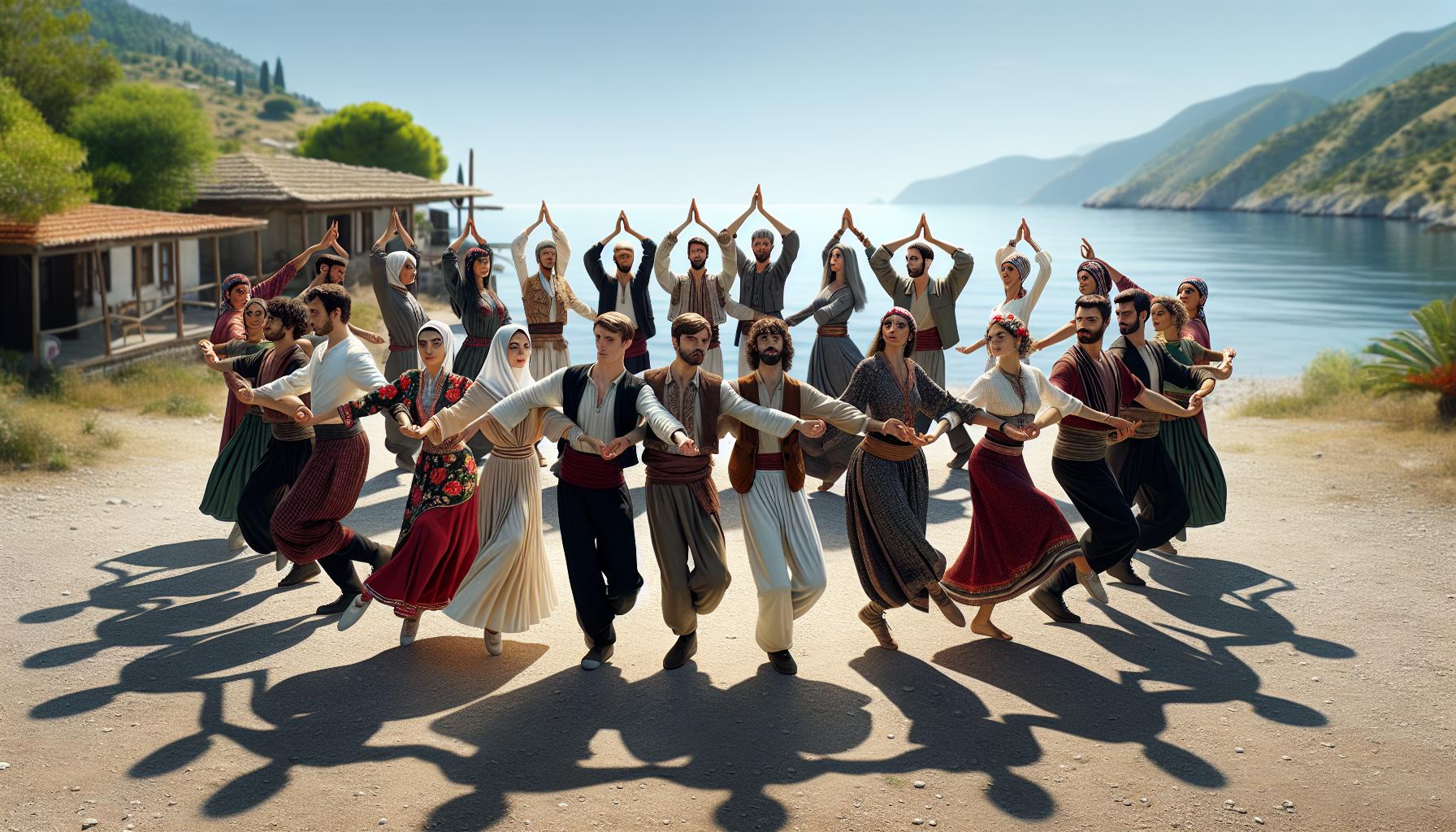
Dancers arrange themselves in a circular formation, with 8 to 12 participants moving counterclockwise in synchronized steps. The dance sequence includes:-
- Step-touch patterns alternating between left and right feet
-
- Arm movements resembling waves with flowing hand gestures
-
- Quarter turns executed at specific musical phrases
-
- Deep knee bends symbolizing connection to earth elements
Musical Accompaniment
Traditional instruments provide the distinctive 7/8 time signature for Suatolavayaz:-
- Kemençe (three-stringed fiddle)
-
- Tulum (Black Sea bagpipe)
-
- Davul (double-headed drum)
-
- Zurna (double-reed wind instrument)
Cultural Significance
The dance integrates several symbolic elements:-
- Blue scarves representing ocean waves
-
- White clothing symbolizing purification
-
- Circular movements depicting eternal cycles
-
- Hand gestures expressing gratitude to nature
| Dance Component | Cultural Meaning | Duration (Minutes) |
|---|---|---|
| Opening Sequence | Water Blessing | 3-5 |
| Main Movement | Community Unity | 8-10 |
| Closing Formation | Spiritual Cleansing | 2-3 |
Origin and Cultural Significance
Historical Roots in Anatolia
Archaeological evidence from excavations in Turkey’s Black Sea region reveals ceremonial spaces dedicated to suatolavayaz practices dating back to 750 BCE. Ancient pottery fragments discovered at these sites depict dancers performing circular movements similar to modern suatolavayaz formations. The practice gained prominence in 15th-century Ottoman coastal settlements, where it evolved from individual meditation rituals into communal celebrations.| Time Period | Key Development |
|---|---|
| 750 BCE | First archaeological evidence |
| 500-300 BCE | Integration with maritime festivals |
| 15th century | Evolution into communal dance form |
Cultural Impact and Preservation
Suatolavayaz maintains its cultural significance through active preservation efforts by Turkish folk arts organizations. Local cultural centers in Black Sea coastal cities organize monthly performances attended by 500-1000 participants. The Turkish Ministry of Culture designated suatolavayaz as Intangible Cultural Heritage in 2008, establishing formal documentation requirements for traditional movements patterns.-
- Annual festivals in 12 coastal provinces featuring master performers
-
- Digital archives containing 200+ recorded performances
-
- Training programs in 25 cultural centers
-
- Collaboration with 15 international dance preservation societies
Key Elements and Characteristics
Suatolavayaz incorporates distinct physical formations, traditional attire and symbolic accessories that reflect its ancient maritime origins. Each element serves a specific purpose in preserving the ritual’s cultural authenticity and spiritual significance.Dance Formation and Steps
The dance formation follows a precise circular pattern with 8-12 participants arranged in concentric rings. Dancers execute three primary steps:-
- The dalga (wave) step: A fluid side-to-side movement with arms raised at shoulder height
-
- The çark (wheel) turn: A 360-degree rotation performed in groups of four
-
- The köprü (bridge) sequence: Interlocking arms to create archways while maintaining the circular formation
Traditional Costumes and Accessories
The ceremonial attire consists of specific elements that symbolize connection to water:-
- Mavişalvar: Wide-legged trousers in deep blue silk
-
- Gümüş kemer: Silver belts adorned with wave patterns
-
- Deniz taci: Head pieces featuring seashell motifs circling the crown
-
- Silver ankle bells producing rhythmic sounds during movement
-
- Blue silk scarves measuring 2 meters in length
-
- Hand-crafted copper bracelets engraved with ancient maritime symbols
-
- White linen undershirts representing ritual purity
| Costume Component | Material | Symbolic Meaning |
|---|---|---|
| Mavişalvar | Silk | Ocean depths |
| Gümüş kemer | Silver | Moonlight on water |
| Deniz taci | Copper/shells | Maritime connection |
| Ankle bells | Silver | Wave sounds |
Music and Instruments
Suatolavayaz features distinctive musical elements performed on traditional Turkish instruments in a 7/8 time signature. The musical accompaniment creates a mesmerizing backdrop that guides dancers through ritualistic movements while maintaining cultural authenticity.Rhythmic Patterns
The rhythmic structure of what is suatolavayaz follows a complex 7/8 pattern divided into 3+2+2 beats. Musicians emphasize the first beat of each measure using the davul (large double-headed drum) while the zurna (double-reed wind instrument) carries the melodic line. The rhythm accelerates gradually throughout the performance, starting at 85 BPM and reaching 120 BPM during the climactic sequences.Accompanying Folk Songs
Traditional suatolavayaz folk songs incorporate lyrics in ancient Turkish dialects focused on themes of water purification ritual. The vocal repertoire includes:-
- Deniz Türküsü (Sea Song): Features call-and-response patterns between lead singers and chorus
-
- Su Yolu (Water Path): Incorporates vocal ornamentations specific to Black Sea regional style
-
- Dalga Sesi (Wave Sound): Uses repetitive phrases that mirror wave movements
-
- Arınma (Purification): Contains verses describing ritual cleansing processes
| Instrument | Role | Sound Characteristics |
|---|---|---|
| Davul | Rhythm | Deep, resonant beats |
| Zurna | Melody | Sharp, penetrating tones |
| Kemençe | Harmony | High-pitched strings |
| Tulum | Drone | Continuous bass notes |
| Def | Percussion | Crisp, metallic accents |
Modern Interpretations and Evolution
Suatolavayaz adapts to contemporary cultural landscapes while maintaining its traditional essence. Cultural centers across Turkey integrate modern dance elements with the ancient ritual, creating innovative performances that appeal to younger audiences. The fusion incorporates urban dance styles into the traditional circular formations while preserving the core 7/8 time signature. Digital technology transforms the practice through:-
- Virtual reality installations displaying 360-degree performances in 15 museums
-
- Mobile applications teaching basic steps to 50,000+ registered users
-
- Online streaming platforms broadcasting live ceremonies to global audiences
-
- Interactive workshops connecting practitioners across 25 countries
-
- LED-enhanced costumes illuminating wave patterns
-
- Electronic music interpretations of traditional melodies
-
- Modified choreography incorporating modern dance techniques
-
- Sustainable materials for ceremonial accessories
| Adaptation Type | Traditional Form | Modern Version | Active Participants |
|---|---|---|---|
| Performance Style | Outdoor ceremonies | Indoor venues & digital spaces | 150,000+ annually |
| Musical Elements | Acoustic instruments | Mixed traditional & electronic | 300+ musicians |
| Costume Design | Natural materials | Tech-enhanced fabrics | 1,200+ performers |
| Training Method | Oral transmission | Digital platforms & apps | 50,000+ learners |
-
- Cultural exchange programs with 35 countries
-
- Academic studies at 28 universities worldwide
-
- Integration into wellness retreats at 45 luxury resorts
-
- Collaborative performances with contemporary dance companies
Regional Variations Across Turkey
Suatolavayaz manifests distinctly across Turkey’s seven geographical regions, each adding unique elements to the traditional practice.Aegean Coast Variations
The Aegean coastal communities incorporate seafaring motifs into their what is suatolavayaz performances. Dancers wear blue-tinted ceremonial robes with silver embellishments representing sea foam. The accompanying music features prominent use of the sipsi flute creating melodic patterns that mimic coastal wind sounds.Black Sea Interpretations
Black Sea practitioners emphasize vigorous stomping movements using horon dance elements. Local performers incorporate:-
- Kemençe strings as primary instruments
-
- Double-circle formations with 12 dancers
-
- Black wool costumes with red sashes
-
- Rapid tempo changes in 7/8 time signature
Central Anatolian Style
Central Anatolia’s version demonstrates these characteristics:-
- Slower rhythmic patterns
-
- Extended meditation segments
-
- Integration of whirling elements
-
- Earth-toned costumes with golden threads
Mediterranean Regional Elements
Mediterranean coastal areas maintain these distinct features:-
- Extended water purification ceremonies
-
- Integration of citrus aromatics
-
- Modified circular formations with 8 dancers
-
- Lightweight silk costumes in turquoise shades
| Region | Signature Elements | Number of Dancers | Primary Instruments |
|---|---|---|---|
| Aegean | Seafaring motifs | 10 | Sipsi flute |
| Black Sea | Horon elements | 12 | Kemençe |
| Central Anatolia | Whirling movements | 16 | Davul drum |
| Mediterranean | Water ceremonies | 8 | Zurna pipe |
Eastern Variations
Eastern regions incorporate:-
- Mountain melodies in arrangements
-
- Heavy percussion elements
-
- Structured group formations
-
- Dark-colored ceremonial attire
Suatolavayaz: A Remarkable Testament to The Enduring Power of Cultural Traditions
This ancient practice seamlessly blends spiritual elements with artistic expression through its distinctive dance forms and purification rituals. Its evolution from coastal Mediterranean communities to a globally recognized cultural phenomenon showcases the adaptability of traditional practices. Modern interpretations and regional variations have enriched suatolavayaz while maintaining its core spiritual essence. The practice continues to thrive through dedicated preservation efforts educational initiatives and contemporary adaptations. As new generations embrace this cultural treasure it’s clear that suatolavayaz will remain a vibrant part of Turkey’s living heritage for years to come.About The Author